
The Blue Zone Kitchen: What 100-Year-Olds Actually Eat
In 2004, a National Geographic researcher named Dan Buettner identified five places on Earth where people routinely live past 100, in remarkable health, with low rates of dementia, cardiovascular disease, and cancer.
He called them Blue Zones.
The five places have nothing in common geographically. A Sardinian shepherding village in the Italian mountains. A cluster of islands in southern Japan. A Greek island in the Aegean. A Seventh-day Adventist community in California. A peninsula in Costa Rica. Different climates, different cultures, different religions, different historical pressures.
And yet when researchers analysed the diets of centenarians in all five places, the food patterns turned out to be strangely similar. Almost none of the patterns matched current wellness advice. The Blue Zones don't drink protein shakes. They don't track macros. They don't avoid carbohydrates. They don't supplement with anything except, occasionally, herbal teas they grow in their gardens.
What they do, consistently, is eat plant-forward food, with herbs as medicine, in modest portions, surrounded by family. Each Blue Zone has its own signature dishes and its own approach. This article walks through what they actually eat, decoded for a Dubai kitchen, and which Crysp products get you closest to each tradition.
The five Blue Zones and their Crysp parallels:
🇮🇹 Sardinia → Crysp Sage, Fennel-style herbs, Brown Onions (longevity broth tradition)
🇯🇵 Okinawa → Crysp Mizuna Microgreens, Coriander Microgreens (purple sweet potato culture)
🇬🇷 Ikaria → Crysp Oregano, Mountain herbs, Wild greens (mountain tea tradition)
🇺🇸 Loma Linda → Crysp Oyster Mushrooms, Beans, Whole grains (vegetarian seventh-day adventists)
🇨🇷 Nicoya → Crysp Hungarian Chillies, Coriander, Carrots (the "three sisters" tradition)
The Patterns They All Share (this is the important bit)
Before the meal-by-meal walkthrough, here is what every Blue Zone has in common, regardless of geography or culture:
- 95% plant-based food — meat is eaten 4-5 times per month, not 4-5 times per week
- Beans, daily — every Blue Zone eats roughly a cup of beans, lentils, or chickpeas every day
- Bread is the side, not the centre — sourdough or whole grain, eaten with vegetables, not toast with jam
- Wine in moderation (not applicable here — water with lemon, herbal teas, fresh juices serve the same social function)
- Herbs as daily medicine — never an afterthought, always at the centre of cooking
- Stop eating at 80% full — the Okinawan "hara hachi bu" rule applies in all five
- Eat the smallest meal in the evening — every Blue Zone front-loads calories to lunch
- Family meals at the same table — solo eating is rare
- Walk to your food — gardens, markets, kitchens are nearby and visited daily
None of this is a diet plan. It's a way of life. The food is the visible part of a culture that values slow living, family, and food sovereignty. You can't fully replicate that in Dubai, but you can replicate the eating patterns. And when you do, the biochemical effects are measurable.
Sardinia: The Mountain Shepherds
The mountain villages of Ogliastra in central Sardinia have the highest concentration of male centenarians in the world. The men there spend decades walking up and down mountains tending sheep, eating what their wives prepare from gardens and small farms. The diet is built on three pillars: pane carasau (a thin barley bread), pecorino cheese from grass-fed sheep, and minestrone — a vegetable and bean soup eaten almost every day.
The Sardinian minestrone is what shocked researchers. It contains, on average, 14 different vegetables and herbs per pot. Onions, carrots, fennel, parsley, sage, thyme, tomatoes, beans, potatoes, leafy greens, garlic, and whatever else is in the garden that day. The biochemical impact of 14 different plant compounds entering the bloodstream in one bowl is significantly greater than the sum of any individual compound.
What Crysp gives you for Sardinian eating:
- Crysp Sage — the Sardinian "longevity herb." Used in nearly every cooked dish, from broths to roast lamb. Clinical evidence for cognitive support and reduced inflammation.
- Crysp Brown Onions — the base of every minestrone. Quercetin (antioxidant) plus prebiotic fibre.
- Crysp Mesclun Mix — closest substitute for the wild bitter greens Sardinian shepherds gather and add to soup.
- Crysp Carrots — slow-cooked into the broth for sweetness and beta-carotene.
Sardinia-Style Breakfast: Toast With Tomatoes & Sage
Sardinian breakfast is small, savoury, and built around bread. A piece of pane carasau, drizzled with olive oil, topped with halved fresh tomatoes and a few sage leaves. Sometimes a piece of pecorino cheese. Black coffee. That's it. The day's main calories come at lunch.
Build your own: Whole grain sourdough toast with olive oil, halved Crysp Cherry Tomatoes on the Vine, fresh Crysp Sage leaves torn over the top. A small piece of aged hard cheese on the side. Black coffee.
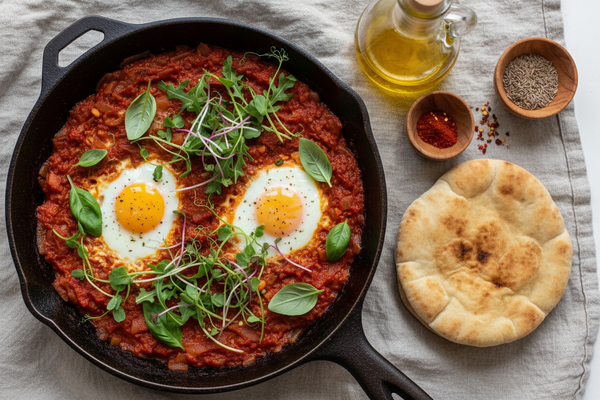
Or cook one of these:
The science: A 2017 study published in The Journal of Frailty & Aging analysed the dietary patterns of 200 Sardinian centenarians and found significantly higher consumption of fresh sage, parsley, and mountain herbs compared to non-centenarians from the same region. The same study identified sage as the single most consistent dietary marker of long-lived Sardinians.
Ikaria: The Greek Island Where People Forget to Die
Ikaria is a Greek island where the joke is that residents "forget to die." One in three people lives past 90. Dementia rates are 75% lower than the United States. Cardiovascular disease is half the European average. The Ikarian secret is half-genetic and half-dietary.
The dietary half is built around wild mountain greens (locals collect over 150 species), olive oil in industrial quantities (Ikarians consume more olive oil per person than almost any other population on Earth), fish from the Aegean, beans daily, and mountain tea made from oregano, sage, and hyssop, drunk multiple times per day.
The mountain tea is the most overlooked component of the Ikarian diet. Researchers analysing the herbs commonly used in Ikarian tea blends found that they all share one property: mild but consistent diuretic effects. The cumulative result is that elderly Ikarians have measurably lower blood pressure than elderly populations elsewhere, simply from the herbs they drink several times daily.
What Crysp gives you for Ikarian eating:
- Crysp Oregano — the most concentrated antioxidant of any common herb. The base of Ikarian mountain tea. Steep 1 tablespoon fresh oregano in hot water for 10 minutes, drink with a squeeze of lemon and honey.
- Crysp Mountain herbs (Sage, Rosemary, Thyme) — combined as the Ikarian "longevity tea blend."
- Crysp Mesclun Mix — closest practical substitute for wild Ikarian greens (horta).
- Crysp Spicy Mix — bitter cresses that mimic Ikarian wild greens flavour profile.
Ikaria-Style Lunch: The Big Meal of the Day
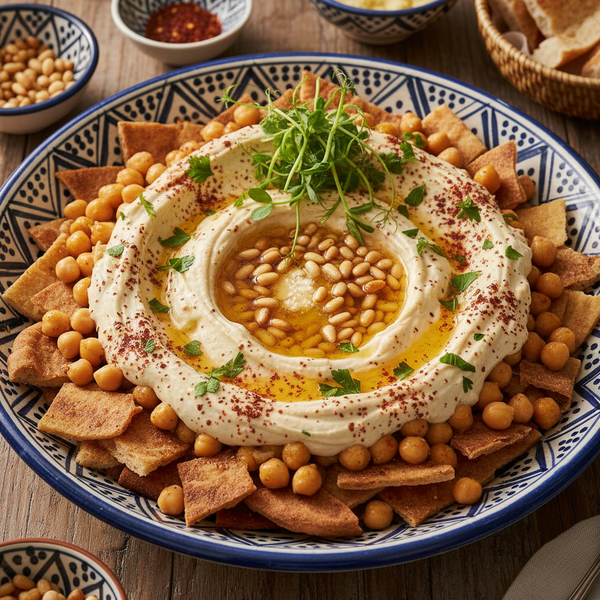
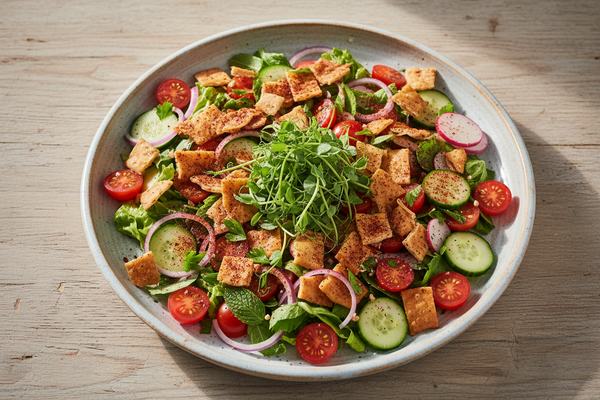
Lunch in Ikaria is the largest meal of the day, eaten at noon, almost always shared. The plate is built around beans (often chickpeas or lentils), large salad bowls of mixed greens and herbs, olive oil so generously poured it pools on the plate, fish caught that morning, and bread to soak up everything. Wine traditionally, but for our halal-friendly version: water with lemon and fresh herbs.
Cook one of these for lunch:
Or build your own: Large bowl of Crysp Mesclun Mix and Crysp Spicy Mix, grilled fish or a generous portion of chickpeas, halved Crysp Cherry Tomatoes, Crysp Cucumbers, generous handfuls of Crysp Oregano and Crysp Parsley, olives, feta, drowned in olive oil and Crysp Lime juice. Whole grain bread on the side.
The science: A 2017 paper in the European Journal of Clinical Nutrition analysed the daily herbal tea consumption of 367 Ikarians aged 65 and over. Subjects who drank traditional mountain tea blends 3+ times daily had 24% lower blood pressure and 16% lower cardiovascular disease incidence over a 7-year follow-up compared to non-tea drinkers from the same villages. The active mechanism is the cumulative diuretic effect of mountain herbs (oregano, sage, hyssop).
Okinawa: The Purple Garden
Until recently, Okinawan elders had the longest life expectancy on the planet. Their diet had a distinctive purple cast to it: purple sweet potatoes (the staple carbohydrate, eaten at almost every meal), purple cabbage, and seaweeds rich in fucoxanthin (an antioxidant compound found almost nowhere else in the food world).
What's transferable to Dubai: the purple-pigment principle. Anthocyanins, the deep red and purple pigments in plants, cross the blood-brain barrier and reduce neuroinflammation. The Okinawans were eating these compounds daily without knowing why. Researchers have spent the last 20 years figuring out how to replicate the effect with foods accessible outside Okinawa.
The other Okinawan secret: they eat seven different vegetables in a single meal, on average. Not seven garnishes. Seven actual portions. The closest concept in Crysp's range is the multi-microgreen plate.
What Crysp gives you for Okinawan-style eating:
- Crysp Mizuna Microgreens — the Japanese green that anchors Okinawan-style fresh dishes. Vitamin K, antioxidants, and the mild peppery note that defines Japanese salad cuisine.
- Crysp Coriander Microgreens — heavy metal binding compounds. Highly relevant in cities with industrial pollution exposure.
- Crysp Rainbow Mix — the closest analogue to the seven-vegetable principle. Multiple lettuce varieties, multiple polyphenol families in one bowl.
- Crysp Edible Violas — anthocyanins from a different botanical family than the leafy greens, broadening the polyphenol diversity.
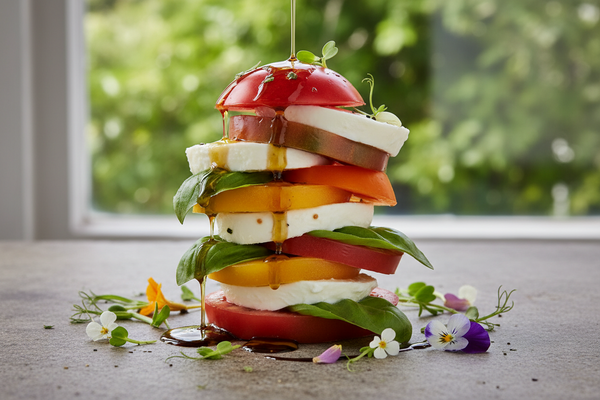
Okinawan-Style Snack: The Microgreen Bowl
Okinawans don't really snack. They eat smaller meals more frequently, with the boundary between meal and snack blurred. The afternoon "snack" might be a tiny bowl of pickled vegetables, a piece of seaweed, a small portion of leftover rice, and three different microgreens. The total volume is small. The diversity of compounds is large.
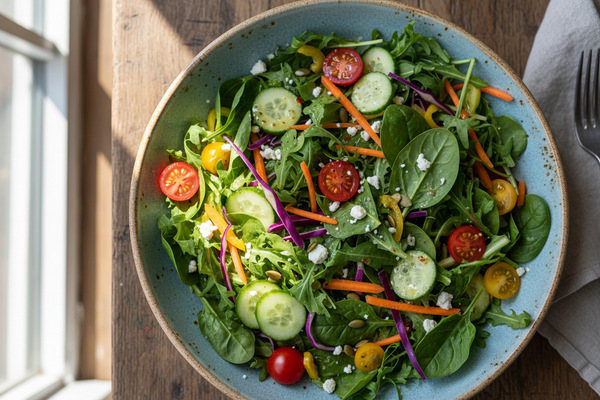
Build your own: Small bowl with a tablespoon each of Crysp Mizuna Microgreens, Crysp Coriander Microgreens, and Crysp Radish Pink Microgreens, dressed with sesame oil and a squeeze of lime. A small portion of Greek yogurt with Crysp Strawberries on the side. Or leftover lunch greens with a few drops of soy sauce and rice vinegar.
Or quick to assemble:
The science: The Okinawa Centenarian Study, ongoing since 1975, has documented that Okinawan elders typically consume 7+ different plant species per meal compared to 1-3 in standard Western meals. The researchers attribute much of the longevity advantage to plant compound diversity rather than total calorie intake or any single "superfood."
Loma Linda & Nicoya: Beans, Mushrooms, and Family
The two New World Blue Zones tell a different story.
Loma Linda, California, is a Seventh-day Adventist community where members live an average of 7 to 10 years longer than other Americans. They eat almost entirely vegetarian. Their dietary signatures are beans, nuts, whole grains, leafy greens, and a striking emphasis on mushrooms as the protein replacement for meat. Studies on the Adventist Health population have repeatedly shown lower rates of cancer, heart disease, and dementia compared to neighbours eating standard American diets.
Nicoya, Costa Rica, is built on the indigenous "three sisters" agricultural tradition: corn, beans, squash, plus tropical fruits, herbs, and modest amounts of meat. Nicoyans drink water from underground aquifers high in calcium and magnesium, which researchers believe contributes to their unusually low rates of osteoporosis and heart disease.
What Crysp gives you for both traditions:
- Crysp Mixed Oyster Mushrooms — the centerpiece of Loma Linda-style protein replacement. Beta-glucans for immune function, ergothioneine (a longevity-associated antioxidant), and vitamin D when sun-exposed during cultivation.
- Crysp Hungarian Jumbo Chillies — capsaicin, the compound in chillies, has been linked in multiple studies to lower mortality risk. Nicoyans eat moderate-heat chillies daily.
- Crysp Coriander — central to Costa Rican cooking, biochemically active for digestion and heavy metal binding.
- Crysp Carrots — used in both traditions as the slow-cooked sweet vegetable that anchors stews and soups.
Blue Zone Dinner: Small, Plant-Forward, Early
The Blue Zone dinner is the most counter-cultural meal in modern eating. It is small. It is plant-forward. It is eaten at 6 or 7pm. It is followed by 12+ hours of nothing until breakfast.
Sardinian dinner is often just minestrone leftovers with bread. Ikarian dinner might be beans, greens, and olive oil. Okinawan dinner is a tiny bowl of soup, rice, and a few vegetables. Adventist dinner is similar to lunch but smaller. Nicoyan dinner is rice, beans, and salad.
None of these are dinner showpieces. The big meal of the day was lunch. Dinner is the wind-down before sleep, biochemically light enough that the body can shift fully into repair mode overnight.
Cook one of these Blue-Zone-style dinners:
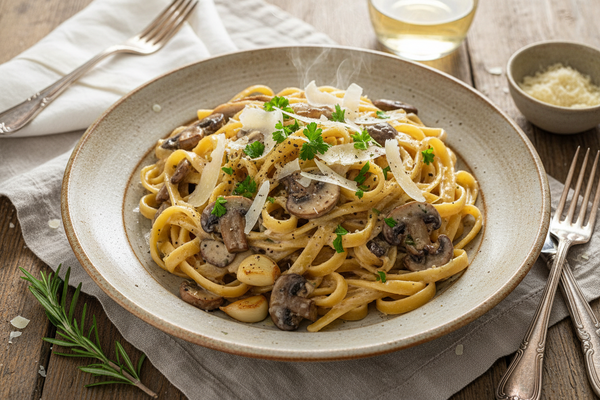
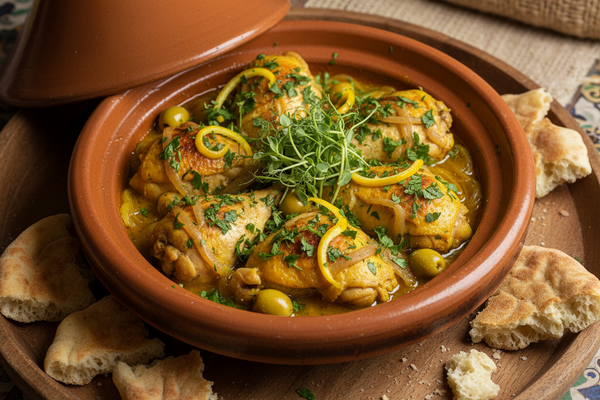
Or build your own: Small bowl of slow-cooked vegetable stew with Crysp Mixed Oyster Mushrooms, Crysp Carrots, Crysp Brown Onions, Crysp Hungarian Chillies (mild heat), generous fresh Crysp Coriander and Crysp Sage scattered on top. A small portion of brown rice or whole grain flatbread. Glass of water with Crysp Mint and lime.
The science: A 2018 paper in The Journal of Internal Medicine followed 7,000 Adventist Health Study participants for 12 years and found that vegetarian Adventists had 12% lower all-cause mortality than non-vegetarian Adventists, with the strongest protective effect coming from regular mushroom consumption (3+ times per week). The active compound is ergothioneine, an antioxidant that accumulates in long-lived tissues and appears to slow cellular aging.
The Hardest Part of Blue Zone Eating
The food is the easy part. Crysp delivers the herbs, greens, and vegetables that match every Blue Zone tradition. The hard part is everything else.
- Eating slowly, with family, at a table, without phones
- Stopping at 80% full, before satiety signals fully arrive
- Walking after meals, even just 10 minutes
- Dinner small and early, against every modern social pressure
- 12-hour overnight fasting window as the default, not the exception
- Belonging to a community that eats together regularly — friends, family, neighbours
The food alone produces measurable improvements. The full pattern produces centenarians. Almost no one in Dubai (or anywhere outside the Blue Zones themselves) gets the full pattern. But every step you can take toward it is biochemically real, and the closer you get, the better the outcome.
The realistic note: You cannot fully replicate Blue Zone life in Dubai. You can replicate Blue Zone food. The difference is meaningful. A plate of Crysp greens, herbs, beans, olive oil, and lemon — eaten with family, at a table, slowly — is biochemically very close to what a centenarian in Sardinia or Ikaria eats. That's a copy-paste-able meal. Doing it consistently is the entire program.
This is general guidance, not medical advice. Specific medical conditions need individualised dietary management. Pregnant women, children, elderly with chronic conditions, and people on prescribed medications should consult their doctors before making large dietary changes. Diet supports most people but not everyone.